Renovating an Older Home in Lexington: What Makes These Projects Different

Neighborhoods like Ashland Park, Chevy Chase, and Hartland are full of homes with real character. High ceilings, original moldings, mature trees, and a sense of permanence that newer construction rarely replicates. It's exactly why so many homeowners choose to stay and renovate rather than start over somewhere newer.
But renovating a home built decades ago is genuinely a different kind of project than remodeling a newer build, and it's worth understanding why before you start.

Older homes were not built to a standard playbook
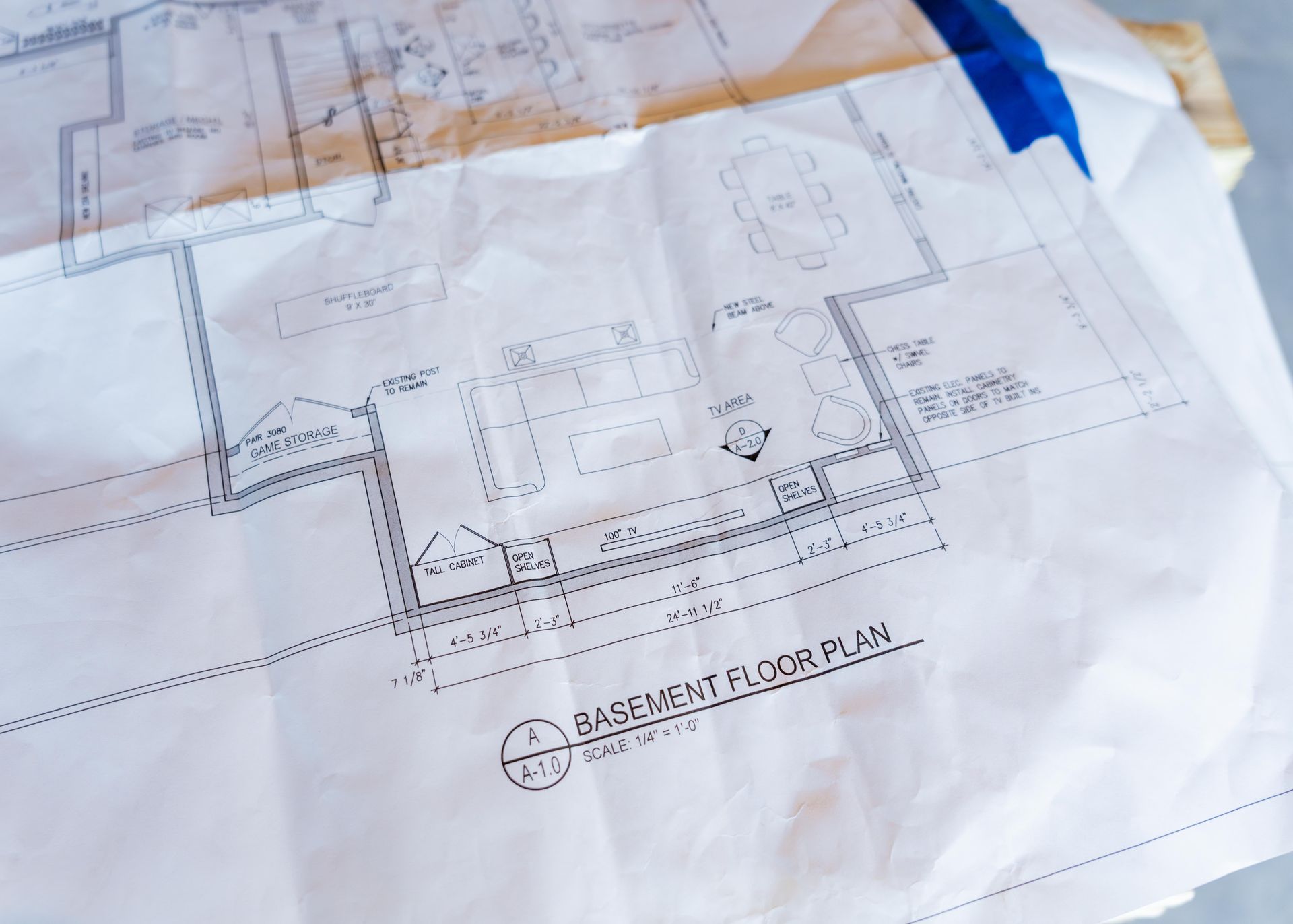
Newer construction follows fairly predictable dimensions and framing methods. Older homes often weren't, especially those built before standardized building codes became common. Walls may not be perfectly square, ceiling heights can vary from room to room, and floor framing sometimes has its own quirks specific to when and how the house was built. None of this is a problem, but it does mean a design has to respond to the actual house rather than an assumed one, which is why a thorough walkthrough and measurement phase matters more here than in a newer home.
Preserving what makes the house worth keeping
Part of what makes these homes valuable is the character that's already there: original trim profiles, plaster details, window proportions, the general feel of the rooms. A good renovation plan figures out early what's worth preserving and matching, and what genuinely needs to change to serve how you live today. That balance, modernizing function without erasing character, is really the core design challenge of an older home renovation, more than any single material or system choice.

Expect some surprises, and plan for them
Almost every older home renovation uncovers something once walls are opened up, whether that's outdated wiring, aging plumbing, or structural conditions that weren't visible beforehand. This isn't a reason to avoid renovating an older home.
It's a reason to plan for it. We build contingency into both the budget and the timeline for exactly this reason, so a discovery mid-project is an adjustment, not a crisis.
Know your neighborhood's guidelines
Some of Lexington's older, established neighborhoods have historic district guidelines that can affect what changes are allowed, particularly to a home's exterior. It's worth understanding early in the process whether your property falls under any such guidelines, since it can shape both the design and the approval timeline.
Renovating with the house, not against it
The best outcomes we've seen come from treating an older home's quirks as part of the design brief rather than obstacles to work around. That's the mindset we bring to these projects: understand what the house actually is, protect what makes it worth keeping, and plan for the unexpected rather than being surprised by it.
If you're considering a renovation in one of Lexington's established neighborhoods, we'd like to talk through what your home needs.
Ready to start the conversation? Schedule a consultation with Right Angle Home Services.